

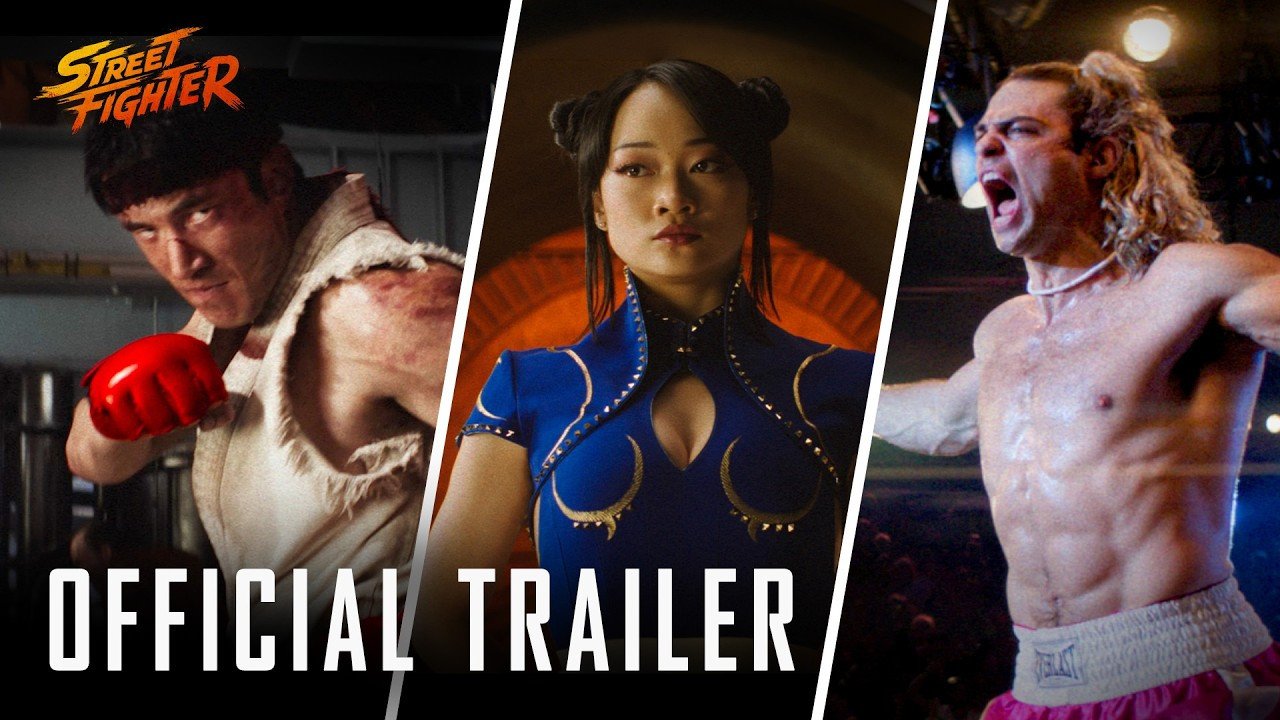
Street Fighter does not end with the World Warrior Tournament producing a clean champion. By the final stretch, the competition has become secondary to Bison’s plan, Ryu’s power and the unfinished bond between Ryu and Ken. The last choice is not about winning a bracket. It is about who they are willing to fight beside — and who they still have to stop.
Spoiler warning: This article explains the ending of Street Fighter (2026).
Why the tournament stops being the real story
What begins as a tournament gradually reveals a larger purpose. Bison is not simply interested in watching the strongest fighters compete. The plan surrounding Ryu is tied to the energy Bison wants to exploit, turning the event into a way of identifying and controlling power rather than rewarding a winner.
That shift matters because Ryu has spent much of the film moving away from the identity built around fighting. The finale forces him to confront the fact that refusing the tournament does not mean he can refuse every conflict. Bison’s scheme reaches him anyway.
Ken’s confession is the emotional ending
The most important revelation between Ryu and Ken is not about Bison. Ken admits that Ryu had been invited to the first tournament and that he destroyed the invitation out of jealousy. Fighting was the part of life Ken believed belonged to him. Ryu’s talent — and what Ken describes as the “light” in him — made that insecurity harder to ignore.
Ken also connects his disappearance after Goken’s death to that guilt. The confession finally explains why the friendship has carried so much distance. Ken was not only running from grief; he was running from something he had done to Ryu before the larger conspiracy began.
That is why their final alliance works better as a character resolution than a tournament victory would. Ken cannot undo the invitation he destroyed, but he can stop making choices for Ryu and stand beside him when the danger becomes real.
Why Ryu does not face Akuma alone
Ryu initially treats the confrontation with Akuma as something he should carry by himself. Ken refuses to leave. His decision is tied to the promise he made to Goken to protect Ryu, but the scene also repairs the imbalance created by his earlier betrayal.
The pair fight together rather than turning the climax into proof that one of them is the superior fighter. Even their reaction afterward undercuts the fantasy of a perfect heroic win: they are left wondering whether they have made the situation worse despite doing what they could.
Why Bison is still the target at the end
Akuma is an immediate threat, but Bison remains the architect of the larger problem. The final group scene makes that explicit when the next move is described as a “Bison hunt.” Ryu is asked whether he is in, and he does not hesitate.
That ending is less a cliffhanger about whether Ryu will keep fighting than an answer to what kind of fighting he is willing to accept. He rejected combat as an identity forced onto him. He now chooses a fight because the people around him are in danger and the person exploiting the tournament is still free.
It is a structure familiar to game adaptations that use the ending to open the next map rather than close the world. Our Fallout ending explained does something similar: the immediate crisis resolves, but the final destination tells us where the larger story is moving.
Street Fighter therefore closes its first chapter without pretending the war around Bison is over. Ryu and Ken repair enough of their relationship to move forward together, and the tournament that pulled them back into the same orbit becomes the beginning of a much bigger conflict.
0 comments