

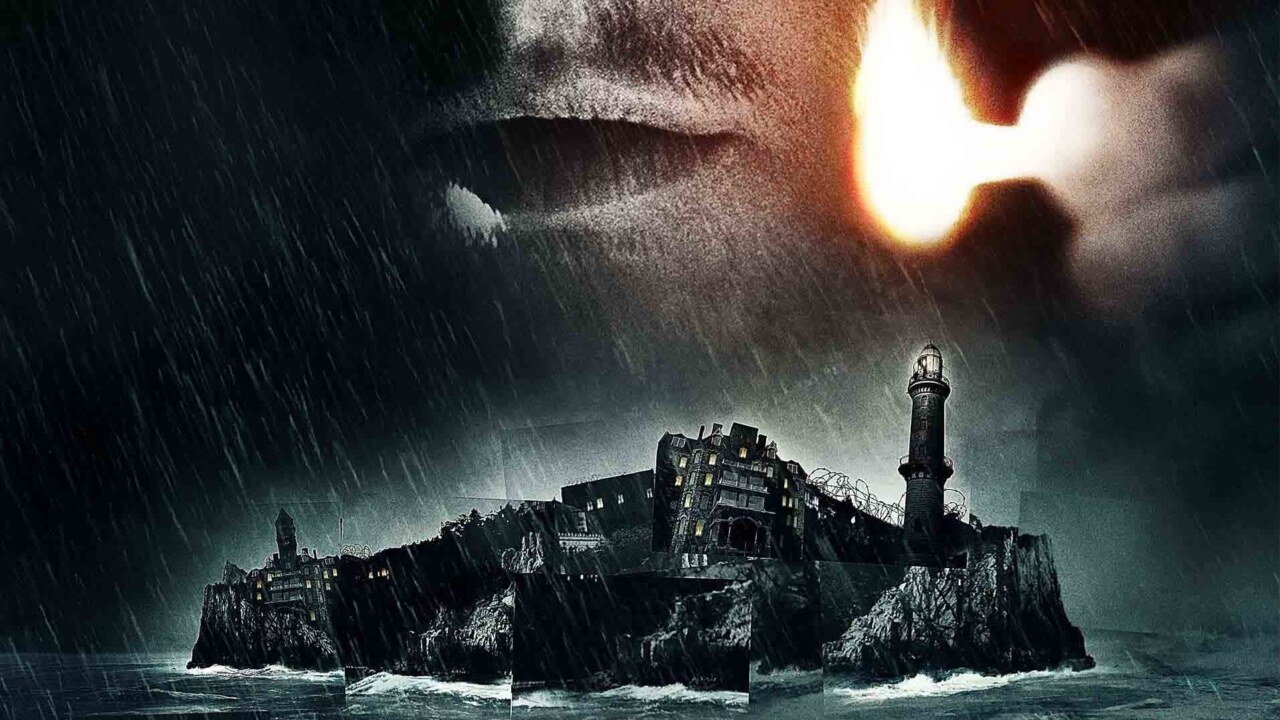
Spoiler warning: This article discusses the full ending of Shutter Island (2010).
The Shutter Island ending reveals that “Teddy Daniels” is an identity created by Andrew Laeddis, a patient at Ashecliffe Hospital. His partner Chuck is actually Dr. Lester Sheehan, and the missing-patient investigation was a carefully staged role-play intended to help Andrew face what happened to his family.
What does Andrew learn at the lighthouse?
Andrew’s wife, Dolores, drowned their children. Andrew then killed Dolores. Unable to live with the truth, he built a different story in which he was a federal marshal investigating a conspiracy. The island, the clues, and the people around him all fit the case he invented.
The role-play briefly works: Andrew acknowledges his identity and the tragedy. Dr. Cawley hopes this breakthrough will let him avoid a lobotomy. But in the final scene, Andrew again addresses Sheehan as “Chuck,” which makes the treatment appear to have failed—or at least makes it look that way to the doctors.
What does “live as a monster” mean?
Before he is taken away, Andrew asks Sheehan whether it would be worse to live as a monster or die as a good man. The line points directly to the guilt he cannot bear: as Andrew, he must remember his wife and children; as Teddy, he can imagine himself as a hero.
The ending leaves room for two readings. Andrew may have genuinely relapsed into his Teddy persona. Or he may understand exactly what is happening and deliberately act as though he has relapsed, choosing the lobotomy rather than continuing to live with the truth. The film does not confirm which interpretation is correct.
Does Teddy choose the lobotomy?
The final question makes the deliberate-choice reading powerful, but it remains an interpretation rather than a stated fact. The doctors see a patient who has returned to his delusion. The audience hears a sentence that sounds painfully lucid. That gap is what gives the last scene its force.
Author Dennis Lehane has described the line as a momentary flash of lucidity, while the film’s psychiatric adviser interpreted it as a conscious choice to accept the lobotomy. People summarizes both readings, which helps explain why the film never supplies a definitive answer.
The short answer
Andrew is Teddy Daniels, and the investigation was an attempt to bring him back to reality. The film strongly hints that he may choose lobotomy knowingly, but it preserves enough ambiguity that a true relapse remains possible.
For another story built around an unreliable sense of reality, read our Inception ending explained.
1 comment