

Hope ends with both sides still trying to understand a disaster that has already outgrown them. The human survivors have a practical plan — gather at the school, distribute weapons and turn it into a fortress — while the alien side speaks of a fallen Emperor, a missing Prince and “true fate.” The final movement does not unite those perspectives. It shows how far apart they remain.
Spoiler warning: This article explains the ending of Na Hong-jin’s Hope (2026).
Why the apparent human victory lasts only seconds
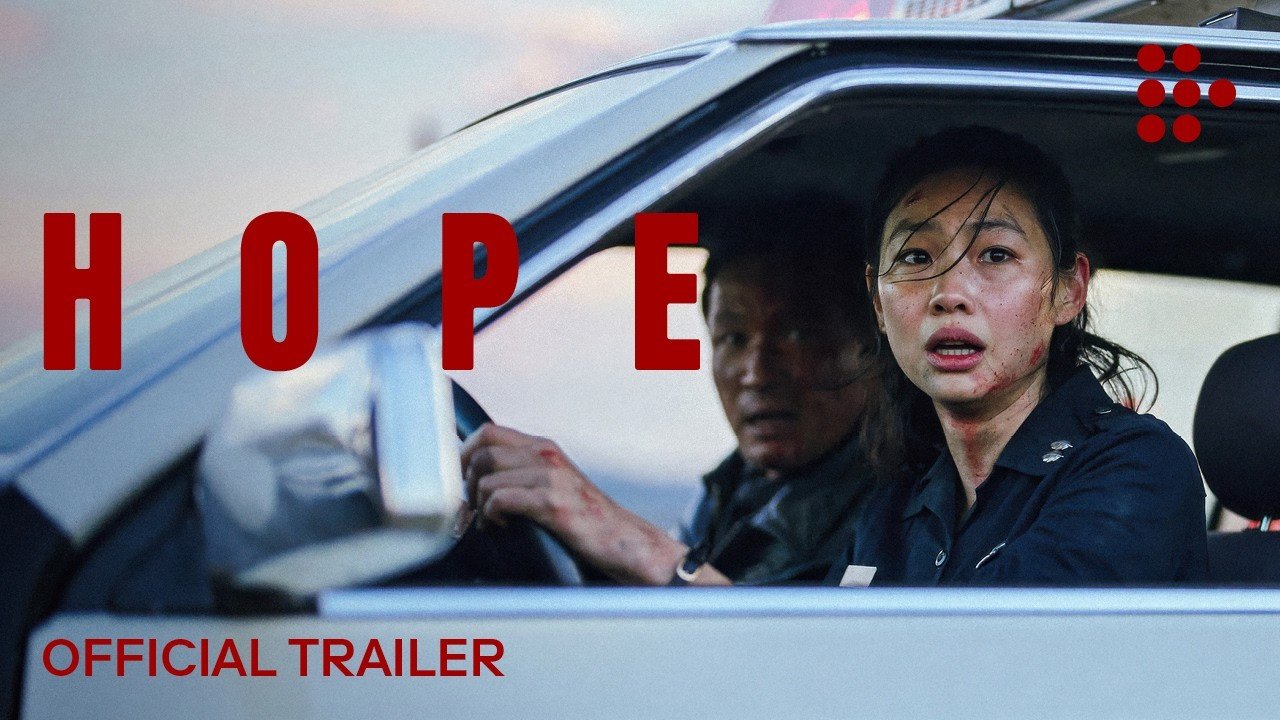
Near the end, the human group manages to kill the alien pursuing them and reacts as though they have finally broken the immediate threat. The relief is brutally short-lived. Their escape vehicle crashes after the driver swerves when a cat jumps into the road.
The scene matters because it refuses to let the biggest danger explain every tragedy. After surviving something extraordinary, the group is hit by an ordinary accident. Later dialogue reduces Sung-ki’s outcome to terrible luck rather than a grand cosmic design.
That contrast is central to the film’s ending: characters keep searching for a single logic behind catastrophe, while events continue arriving from different causes, misunderstandings and accidents.
What happens to the Emperor’s ship?
The finale then widens the scale. On the alien side, the Emperor’s ship is described as falling and then as having fallen. The language around “Your Majesty” makes clear that the conflict on Earth is connected to a royal hierarchy and a crisis larger than the humans can see from the ground.
Another figure vows to find the Prince and change his destiny, linking the survival of the royal line to the fate of everyone else. The film does not pause to translate that system into a clean rulebook. We are given stakes and beliefs, not a complete explanation of alien politics.
Why the humans choose the school
The surviving humans respond in the opposite way: not with prophecy, but logistics. They decide to gather people at the school, distribute weapons and turn the building into a defensible position. They openly admit they do not know what comes next.
That uncertainty makes the school plan important. It is not presented as a final solution. It is the best local response available to people who understand only a fragment of the threat.
Our Colony ending explained works in a similar space: a concrete survival decision sits inside a much larger threat whose full rules are still beyond the characters.
What does “true fate” mean in the final scene?
The last alien-side speech turns from the recent disaster toward faith, evidence and destiny. What can be seen is contrasted with what must be believed, and Ma’veyyo is called into a demand to bring forth “true fate.”
The phrase is deliberately unstable because the film has just shown how dangerous certainty can be. Humans misread the aliens. The aliens operate within beliefs and hierarchies the humans cannot understand. Even an apparently random traffic accident can alter who survives.
So the ending does not reveal one secret answer that explains everything. It leaves two groups preparing for what comes next while still interpreting the same catastrophe through incompatible frameworks. “True fate” sounds like a promise of order, but the final sequence has already shown how little control anyone actually has.
0 comments