
TV Endings
What Walt’s Final Admission Means in Breaking Bad
In “Felina,” Walt tells Skyler what his empire was really for. The admission clarifies his motives without undoing the damage.

TV endings explained: episode, season and series finales, character fates, unresolved questions and the clues behind each interpretation.
In “Felina,” Walt tells Skyler what his empire was really for. The admission clarifies his motives without undoing the damage.

Errol is caught, but the case stops short of full accountability. Rust and Marty’s final look skyward gives them a fragile reason to keep going.

Sun-jae remembers every timeline early in the finale. The bigger ending is that Sol gets to choose a career before he finally proposes.
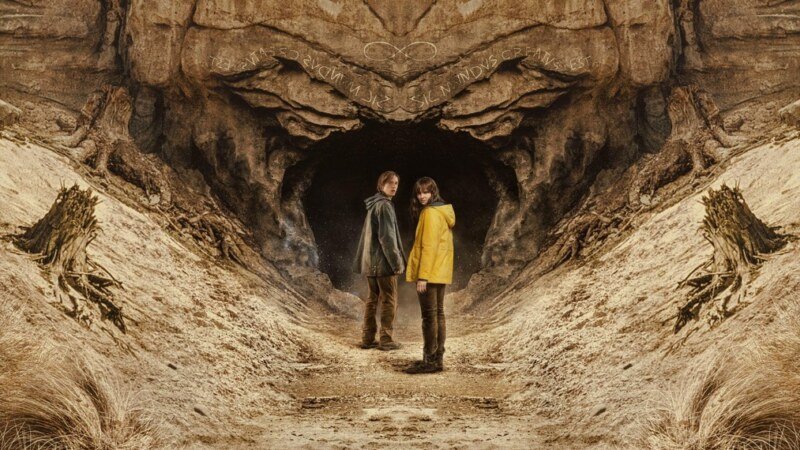
Dark ends by saving Tannhaus’s family and erasing its tangled worlds. The final dinner offers hope, déjà vu, and one deliberately unanswered question.

Don finds a fleeting connection at a California retreat, then Mad Men cuts to Coca-Cola’s 1971 “Hilltop” ad. What the finale shows is firmer than what it says next.

Oz’s last betrayal reveals the weakness he fears, while the Bat-Signal interrupts his claim to Gotham.

Hae-in remembers the pattern that broke their first marriage, and that painful memory is what makes a second one possible.

Helly gets one speech; Mark brings a crucial fact to his sister; Irving reaches Burt’s door. Their window is brief—and not the same as freedom.
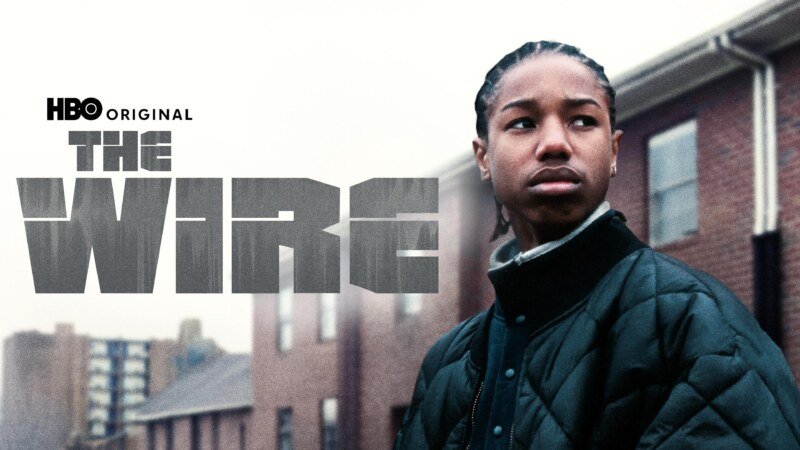
The Wire’s closing montage lets Baltimore’s familiar roles return with new faces, but makes room for Bubbles and Carver to change their paths.

Belinda’s $5 million payout brings security, but her deal with Greg leaves a moral cost—and a future with Pornchai unresolved.