

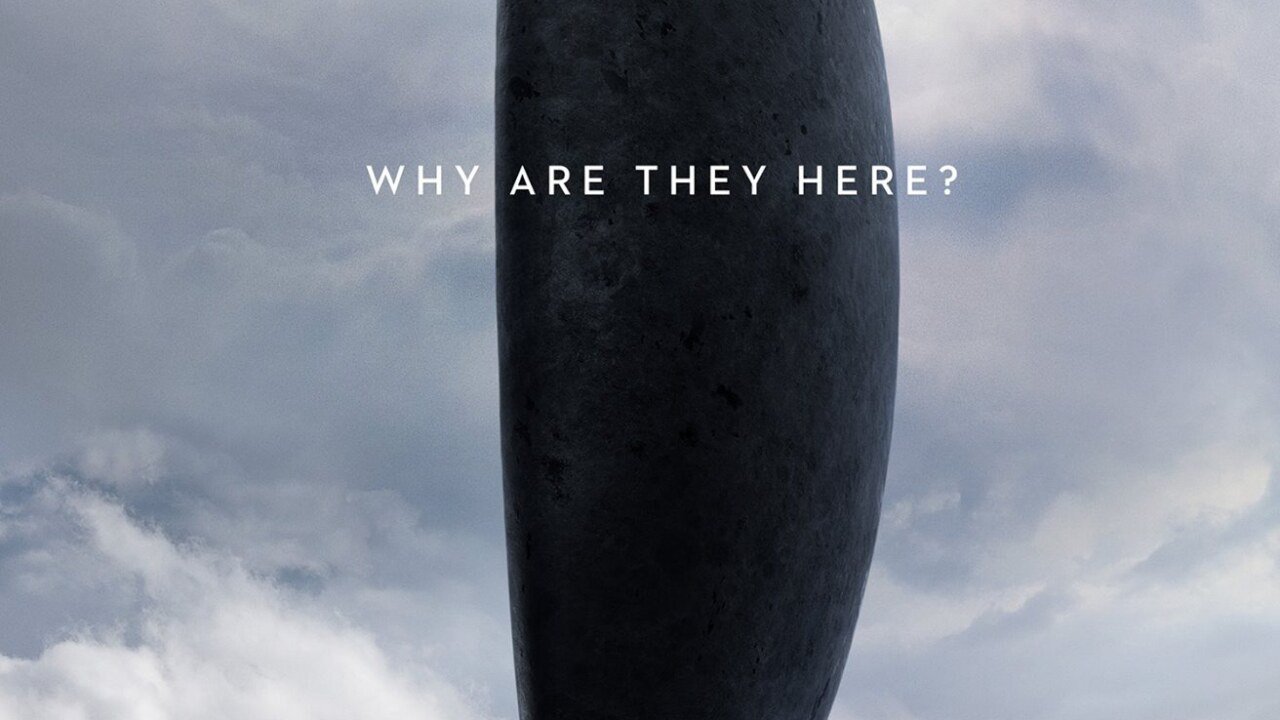
Spoilers ahead for Arrival (2016).
The “memories” are ahead
The opening appears to show Louise grieving her daughter Hannah. The reveal turns those scenes around: after learning the heptapods’ written language, Louise experiences future events as memories. Hannah has not been born yet. Louise’s new perception also reaches into the crisis: a future exchange with General Shang gives her the information to stop the military escalation. Paramount’s official synopsis says Louise’s discovery of the aliens’ purpose helps avert war; the reveal shows that discovery also changes her own sense of time.
The life she chooses
The future she sees includes a life with physicist Ian Donnelly and a daughter, Hannah, who dies young of a rare, incurable illness. Louise knows about that loss before beginning the relationship and family. Ian eventually learns she already knew and leaves. Those are plot events; they don’t, by themselves, prove she is powerless. To me, the ending doesn’t frame this as choosing tragedy instead of love; it presents the family’s everyday joy and the loss as parts of one life she already sees. That emotional framing suggests why she chooses it, without proving that she cannot choose otherwise.
Is it a free choice?
The central question is direct: if Louise can see the cost, is saying yes to this life still her choice? The film gives her future-sight but no rulebook declaring that every outcome is fixed or that she can simply cancel one. That gap matters. Screenwriter Eric Heisserer says in a first-person interview that he wanted her decision to count as a genuine choice, even if a viewer thinks free will is an illusion. He also suggests she may try to change how she handles Ian; that is his interpretation, not confirmed onscreen. Ploughshares’ analysis likewise notes that the film emphasizes emotional acceptance more than the novella’s explicit free-will debate.
The short answer
Louise says yes to the relationship and a child while knowing Hannah’s life will be brief. The film doesn’t settle whether that future is freely chosen or one Louise has learned to fulfill. It makes the choice emotionally real to her without turning the time puzzle into a firm answer about fate. Find more explanations in Movie Endings.
0 comments