

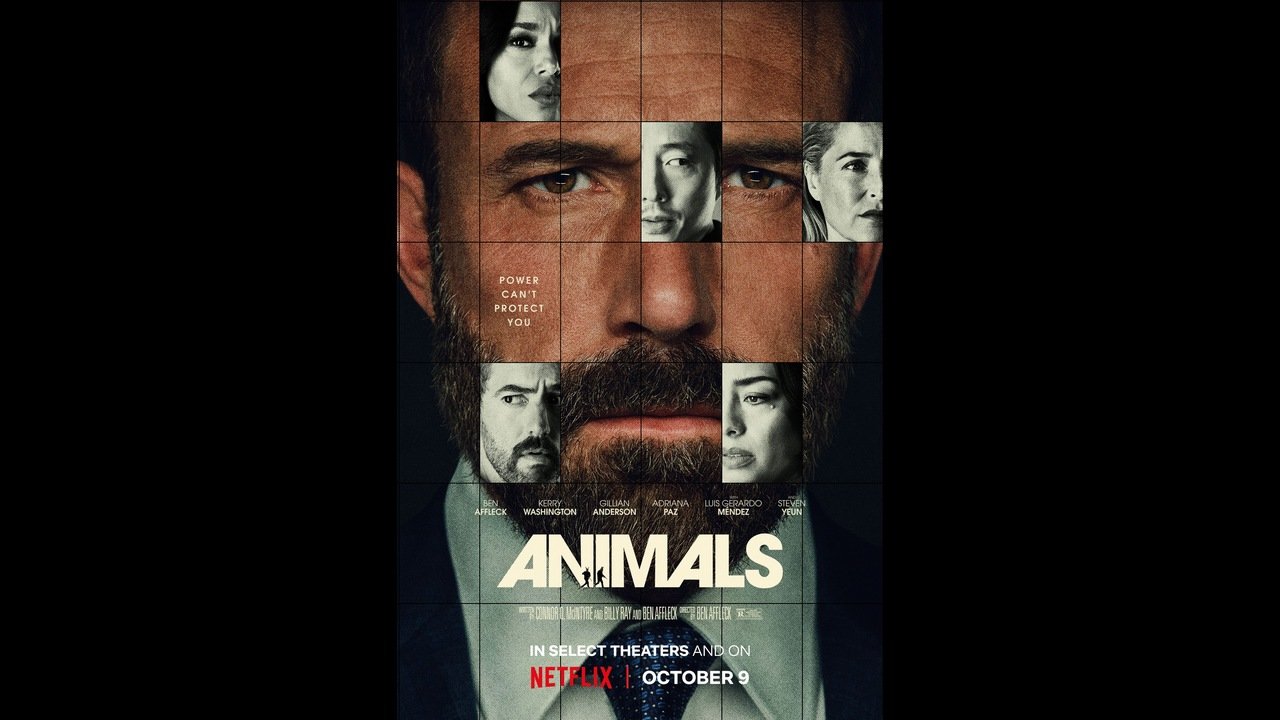
Animals ending explained: the ransom’s real target
The kidnapping is built on a mistake. Denny goes into the haunted house after Hector backs out, then gets lost. Because the boys wear the same costume, the kidnappers take Hector while Mark and Abby think Denny is missing. Denny returns at 37:35, but the ransom threat is real: Hector is still being held.
Dayle Burton, the fixer who obtains $7 million, gives them three choices: police, payment, or a secret “option three.” After Ramon attacks one kidnapper, the demand rises to $10 million, then returns to $7 million with a 5 a.m. deadline. Dayle says waiting creates leverage and warns against police. Mark admits hidden campaign spending and settlements; Abby confesses an affair with Ron, a married UCLA teacher. Their marriage fractures, but Mark chooses option three.
What happens at the exchange
Mark takes the cash to Frogtown as Dayle sets a trap. The kidnapper taunts him about losing everything he built and leads him to Hector. A struggle and gunshots follow; Mark warns of a third person and cries, “not the boy.” The subtitles do not identify every shooter, but Mark later says he fired his father’s rifle from about 200 yards when the kidnapper was about to shoot Hector. Hector survives and reunites with Ramon.
At a later press conference, Mark turns the rescue into courage. He says he and Abby gave Ramon the ransom, followed him, and acted to save Hector. He pleads guilty to negligent discharge and possessing an unserialized rifle, receiving probation, firearms-safety community service, and a $10,000 fine. Ramon accepts voluntary deportation at his expense and returns to Mexico to his fiancée and son.
The irony is political: Mark gains 16 points with Latino voters and, less than a year later, is discussed as a possible president. A morally compromised choice—no police call, a lethal plan, and a ransom for another family’s child—becomes a heroic origin story. The kidnappers’ identities and grievance remain unknown, and Mark and Abby’s marriage is unresolved. The point is that power does not erase the ugly choice; it decides who gets to call it virtue.
0 comments