

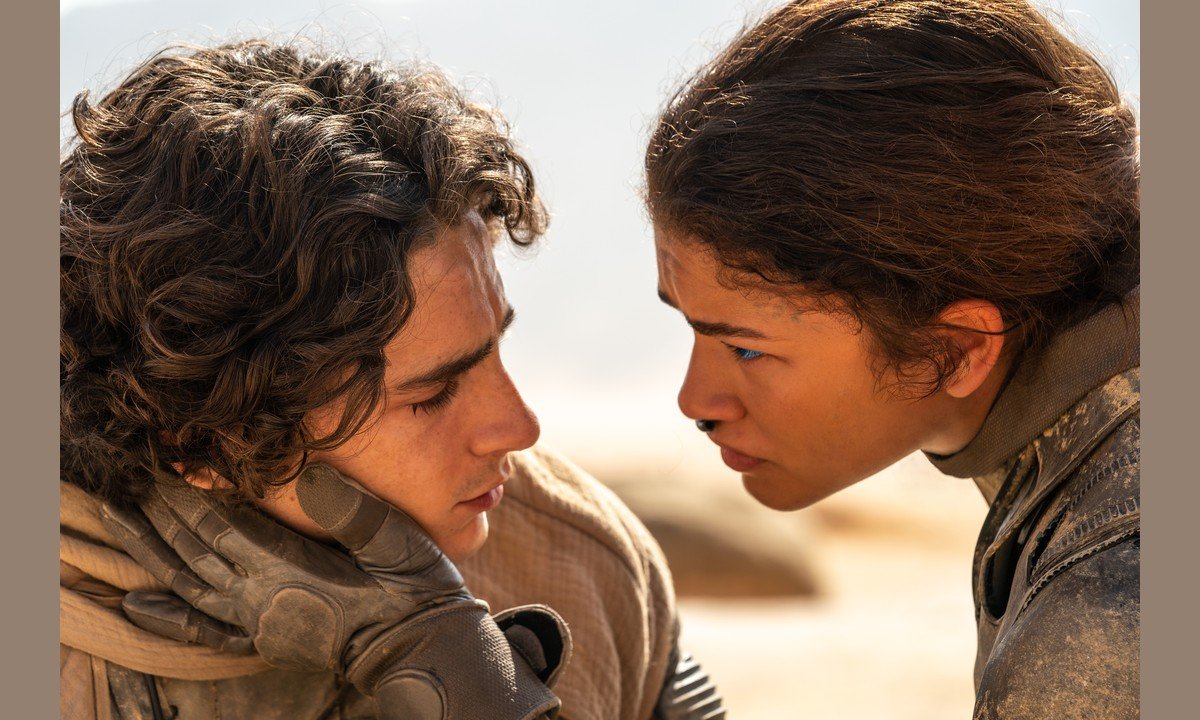
Chani does not leave Paul at the end of Dune: Part Two because Princess Irulan suddenly comes between them. Irulan is the final proof of a change Chani has been watching all along: Paul goes from rejecting the Fremen messiah story to using it as the foundation of imperial power.
Spoiler warning: This article explains the ending of Dune: Part Two.
That distinction matters because the film establishes Chani’s objection long before the throne room. When Paul learns about the southern belief in the Lisan al-Gaib, Chani tells him the Fremen should free themselves. Her argument is blunt: if you want to control people, promise them a messiah and they can spend generations waiting for one.
Paul once fears the future he eventually chooses
Paul initially sounds much closer to Chani than to the believers around him. He tells the Fedaykin that he is no messiah. More importantly, his visions make the cost of going south concrete. He sees a holy war triggered by his rise and later describes billions of corpses scattered across the galaxy because of him.
The tragedy is not that Paul never understood the danger. He understood it early. After taking the Water of Life, however, he begins acting as though the future can only be survived if he takes control of it himself. The same prophecy he feared becomes a source of authority.
Irulan is a political choice, not a new romance
Paul still tells Chani he will love her as long as he breathes. Minutes later, he threatens to destroy the spice fields if the Great Houses attack, orders the Emperor to submit and announces that he will take Irulan’s hand so they can rule the Imperium.
Nothing in that sequence suggests Paul has transferred his affection to Irulan. The marriage is strategic, which is precisely why it lands so hard. Chani watches the person who loves her decide that love, marriage and even Fremen liberation can all be rearranged around the political future he believes he must impose.
The last order explains the sandworm ride
The Great Houses refuse to recognize Paul’s ascendancy. His fighters wait for an order, calling him Lisan al-Gaib. Paul answers by telling them to “lead them to Paradise.” The next exchange states the consequence plainly: the Holy War has begun.
Chani leaves that victory behind and rides away on a sandworm. The film does not tell us where she is going, so the scene should not be stretched into a fully declared rebellion. What it does establish is refusal. She will not stand beside Paul while a prophecy she distrusted becomes the language of conquest.
That is why Irulan matters without being the whole answer. Chani is not simply walking away from a man who chose another bride. She is walking away from the ruler Paul has chosen to become.
0 comments