

Spoiler warning: Spoilers for the complete film.
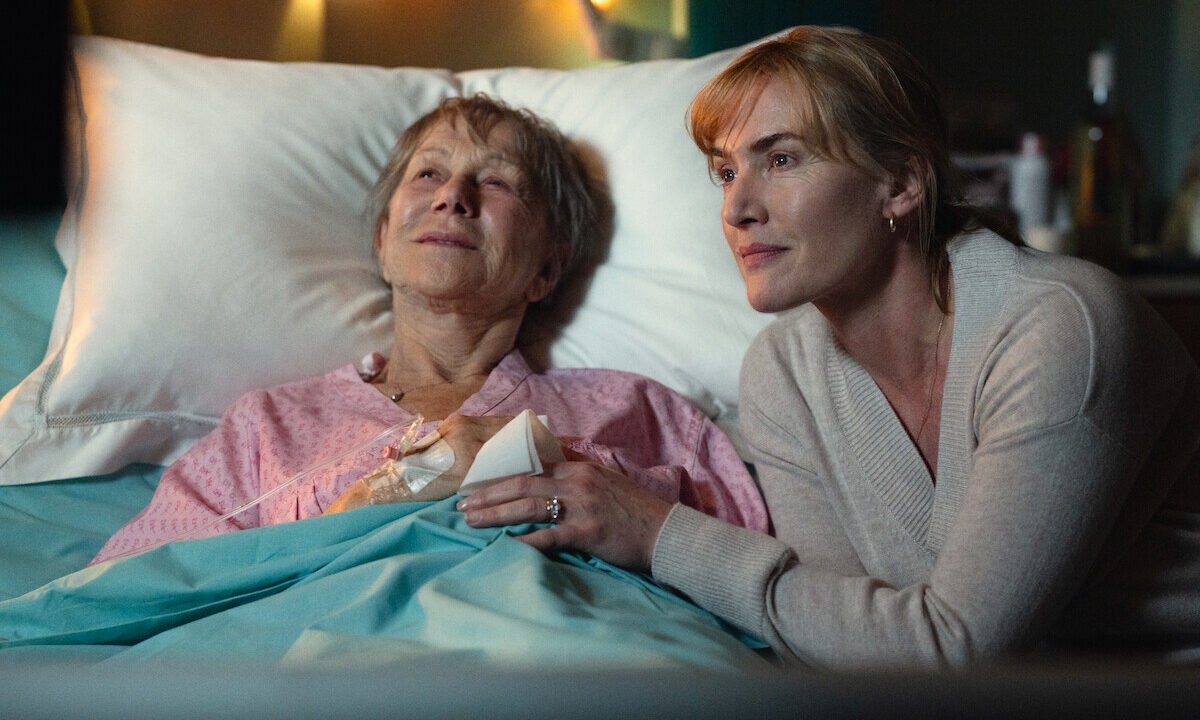
June dies surrounded by her family during the Christmas celebration they arrange early in the hospital. Goodbye June then moves forward a year, letting the first holiday without her answer a different question: what remains after the goodbye?
Why celebrate Christmas before the date?
June’s cancer has progressed, further treatment cannot offer the outcome the family wants, and she is not expected to survive to the holiday. Bernie brings the children and grandchildren together for a celebration she can still attend.
The nativity performance gives them an activity to share instead of requiring everyone to produce a perfect farewell speech. Costumes, children and familiar rituals let affection take an ordinary family form inside the hospital.
Celebrating early does not deny that she is dying. It acknowledges the time available and decides how to use some of it.
What does Connor’s poem contribute?
He reads E. E. Cummings’s If There Are Any Heavens at June’s request. The poem’s consideration of parents and an afterlife gives mother and son language for something difficult to say directly.
The scene does not establish a supernatural explanation for what follows June’s death. Its purpose is relational: he agrees to read, and she can receive that act of attention while still alive.
The film’s jokes and interruptions belong to the same family encounter. Grief does not require everyone present to stop being recognizable to one another.
Why end a year later?
The next Christmas includes Helen’s baby and Connor’s developing relationship with Angel, June’s nurse. Their lives have continued without making June interchangeable with the new people arriving in them.
A letter she left for Helen connects remembrance with the family’s future. That continuing presence is expressed through memory rather than a reversal of the death.
The two Christmas gatherings therefore serve different needs. One allows June to be included before time runs out; the other shows her relatives choosing to remain a family when she can no longer convene them herself. Their togetherness is the part of the farewell they can keep practicing.
Sources: official ending breakdown.